Dominique Stevens, a Navy veteran and Veterans Initiatives Manager at the Robert R. McCormick Foundation, shares the impact of Chicago Children’s Museum’s Veteran and Active-Duty Military Access Initiative, which provides free and reduced admission to veterans, active-duty military personnel, and their families. A generous grant from the Foundation is helping CCM extend that same warm welcome to even more military families.
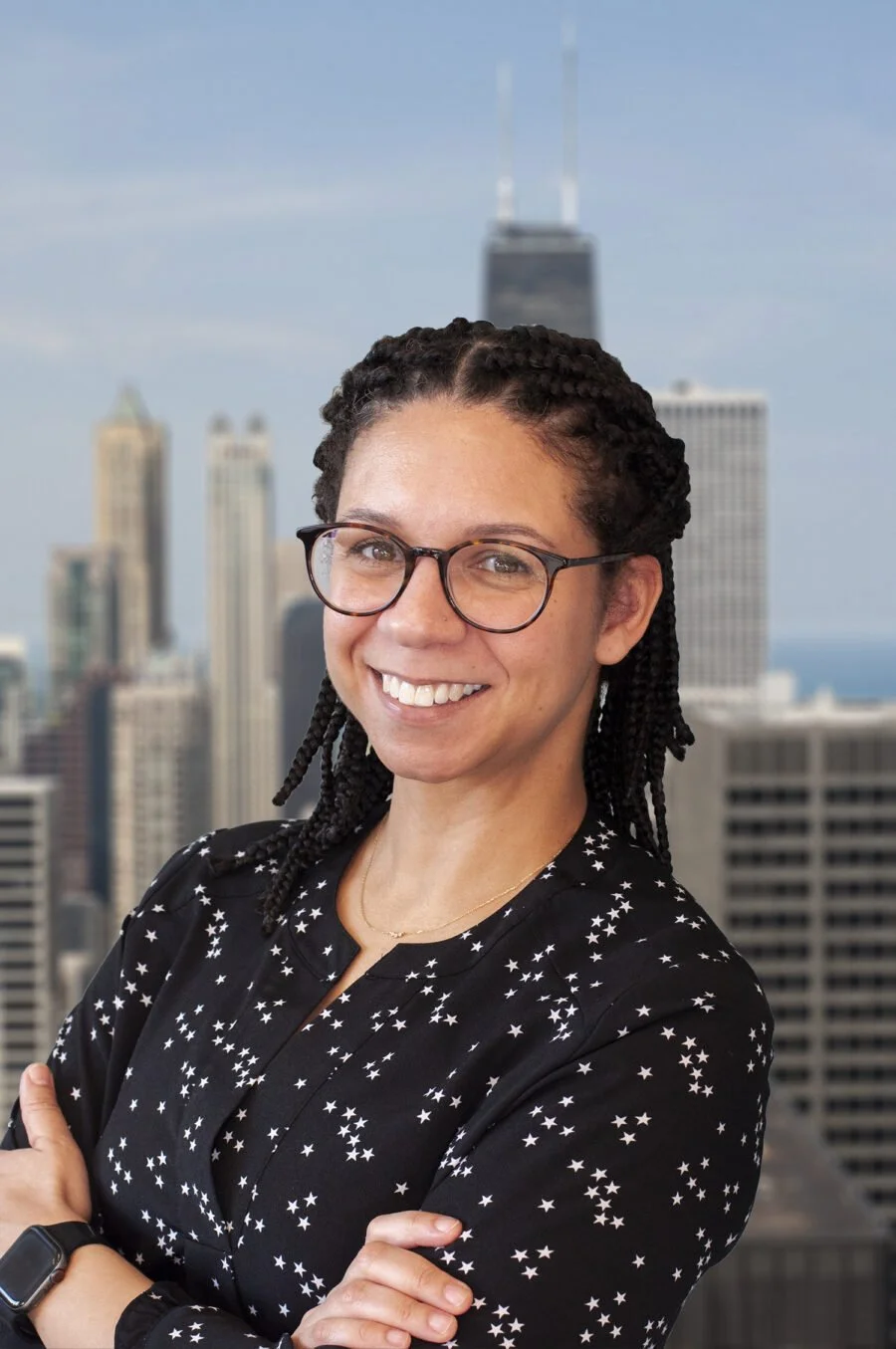
Dominique Stevens, Veterans Initiatives Manager at the Robert R. McCormick Foundation
CCM: As a veteran yourself, why is it important for military families to have access to places like Chicago Children’s Museum? What can these kinds of experiences provide for children and families?
Dominique: When I was newly out of the service, I struggled with adjusting to civilian life. I had joined the Navy straight out of high school, so I had very little experience navigating the “real world” as an adult. I was working a minimum-wage, hourly job and barely had two pennies to rub together. Now that I have children, I can see even more clearly how difficult it would have been at that point in my life to afford experiences like museums or other cultural institutions for a family.
In fact, when my nieces and kids were little, I took them to the Chicago Children’s Museum. I handed the cashier my USAA debit card, and she noticed the bank and asked if I was military. I told her I was a veteran, and she let me know that our admission was free. I could have cried with relief because I likely had less than $100 in my checking account at the time. It is something I still remember years later.
Many service members transition out of the military with children and are suddenly confronted with the financial realities of civilian life, including housing, healthcare, childcare, and finding stable employment. Veterans may also be adjusting to a completely different culture and way of life while trying to figure out what comes next professionally. For active-duty families, deployments bring their own challenges. A service member returning home is not simply returning to the family they left. Everyone has changed and adapted during the separation, and families often need time and opportunities to reconnect.
When a family is struggling financially, experiences like museums are often among the first things to be cut from the budget. Paying admission for an entire family can simply be out of reach. Providing free or reduced admission gives military and veteran families access to safe, age-appropriate, family-friendly experiences they might otherwise miss.
More importantly, these experiences give families an opportunity to just be together. Children can play, explore, and learn while parents can focus on enjoying time with them outside of the everyday stressors they may be facing. For a veteran adjusting to civilian life or a service member reconnecting with their family after a deployment, something as simple as a day at a children’s museum can create a sense of normalcy and an opportunity to reconnect. Those moments can strengthen family relationships, reduce stress, and support the overall well-being of the entire family.
CCM: What do you think is especially meaningful about a program that welcomes both veterans and active-duty military families? Are there particular needs or experiences of these families that you think are important for the broader community to understand?
I think it is especially meaningful that the program welcomes both veterans and active-duty military families because, while their experiences are different, both can be navigating major periods of transition and adjustment.
For active-duty families, deployment and reintegration can be difficult for the entire family. During a deployment, the family at home develops new routines and responsibilities, and children adjust to having a parent gone. When the service member returns, everyone has to adjust again. Reintegration does not necessarily happen immediately just because someone is home. Families need time and opportunities to reconnect, rebuild routines, and simply enjoy being together again. Places like the Chicago Children’s Museum can provide a safe and positive environment where families can focus on one another and create new memories together.
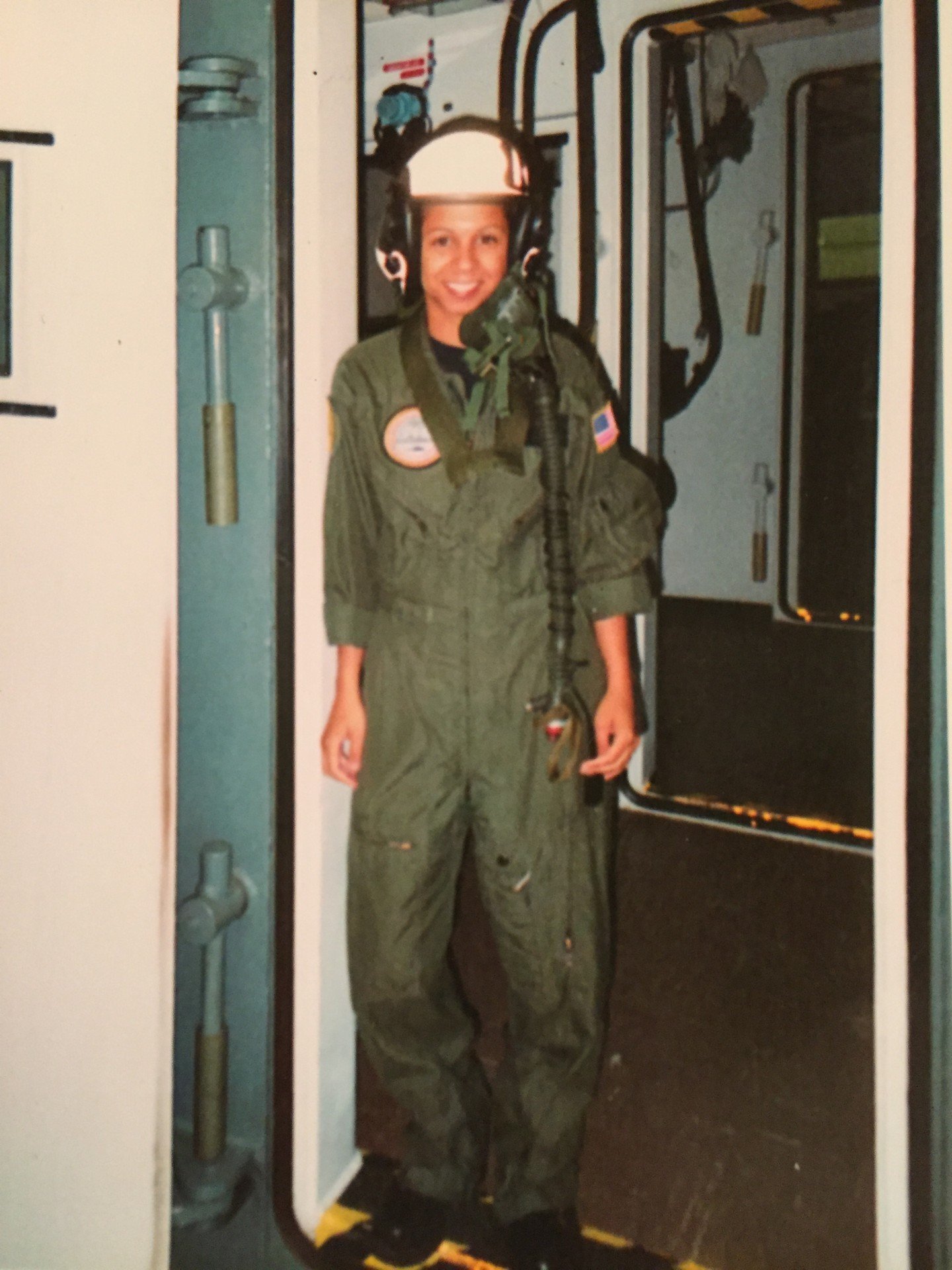
Dominique in uniform.
Veterans and their families may be experiencing a different kind of reintegration. As I mentioned before, when I left the Navy, I was trying to figure out civilian life for the first time. For many veterans, leaving the military means adjusting to a completely different culture while also finding employment, navigating healthcare, managing new financial responsibilities, and figuring out their identity and purpose outside of military service. They may be doing all of that while also raising a family.
I think that distinction is important for the broader community to understand. Reintegration can happen after a deployment, but it can also happen when someone leaves military service altogether. In both situations, the transition affects more than just the service member or veteran. It affects spouses, children, and the entire family unit.
Programs that intentionally welcome both communities recognize that military service is a family experience. Providing accessible opportunities for families to play, learn, and spend time together may seem simple, but those experiences can help reduce financial and everyday stress, strengthen family connections, and give families space to reconnect during periods of significant change.
CCM: What stood out to the McCormick Foundation about Chicago Children’s Museum’s Veteran and Active Military Access Initiative? What made supporting this program meaningful to the Foundation?
Dominique: The McCormick Foundation is committed to supporting the mental health and well-being of service members, veterans, and their families, while also helping children and families thrive in their communities. Supporting the Veteran and Active Military Access Initiative really brings those priorities together.
When I first met Karen Alexander and learned more about the free admission initiative for military and veteran families, I was immediately drawn to it because I had personally experienced how meaningful that access can be. The Foundation has been a long-time supporter of the Chicago Children’s Museum, most recently through its Curiosity Classrooms program that brings museum-quality experiences into local schools. As a result, we were already familiar with the museum and its work to expand opportunities for all children to learn through play.
As I mentioned earlier, there was a time when free admission to the Chicago Children’s Museum made it possible for me to give my own family an experience that I might not otherwise have been able to afford. I know firsthand that something that may seem as simple as free museum admission can mean much more to a family going through a difficult or transitional period.
That is also why this initiative aligns so naturally with the Foundation's broader strategy. Our mission is centered on creating opportunities for people across Chicagoland to learn, grow, and thrive, and our values have long included supporting children, veterans, and families in need. We also continue Colonel McCormick's longstanding commitment to the military community.
For us, this program sits at the intersection of those commitments. It gives children a fun and educational experience while also giving military and veteran families an accessible place to spend time together, reconnect, and create positive memories. Whether that is a service member returning from a deployment and reintegrating with their family or a veteran adjusting to civilian life, those opportunities for connection and normalcy can be incredibly valuable.
Being able to provide that experience to military-affiliated families throughout Chicago and the surrounding area felt like a very natural fit for the Foundation and an extension of work and values that have been important to us for a long time.
CCM: If you could share one thing with Chicago Children’s Museum donors about why this work matters, what would you want them to know?
Dominique: If I could share one thing with Chicago Children’s Museum donors, it would be that this work matters because military service affects the entire family, not just the person who wears the uniform. I also believe we have a responsibility to support and care for the service members and veterans who have served our country, and that includes caring for their families.
That support does not always have to come through a large or complicated program. Sometimes it’s simply giving a family the opportunity to have a normal, fun day together without worrying about whether they can afford it.
Many of us have experienced a time when money is tight, and something as simple as free admission could make a real difference. We remember the people and places that made things a little easier during those periods of our lives. I think we should all strive to be that for someone else. To be a helper, to make a difference where we can, and to make someone’s life just a little bit easier.
That is really what this initiative does. By removing the cost of admission for military and veteran families, Chicago Children’s Museum is removing one small barrier and saying, “You and your family are welcome here.” It gives children the opportunity to play, learn, and explore, and gives families the opportunity to experience those moments together without worrying about whether they can afford it. It may seem like a small gesture, but I know firsthand that when you are the person who needs that little bit of help, it does not feel small at all.
I would want donors to understand that their support is providing much more than just admission to a museum. They are giving children a place to play, learn, and just be kids. They are giving parents an opportunity to be present with their children. And they are giving military and veteran families a chance to reconnect, create positive memories, and experience a little bit of normalcy. That can have a meaningful impact on the well-being of the entire family.